Build Skills That Extend Beyond the Bedside

February 1–3, 2027
Sheraton Charlotte | Charlotte, North Carolina

Join nursing professionals in Charlotte for a focused professional-development experience designed to strengthen your skills, expand your perspective, and help you make a greater impact within your team and organization.

You Don’t Need a Leadership Title to Start Building Leadership Skills

Invest in Your Professional Growth

The Nurse Leadership Advancement Track is designed for current and aspiring nurse leaders and nursing professionals who want practical strategies they can apply in their work.

Through expert-led education, peer connection, and real-world learning, you’ll explore the skills needed to navigate today’s workplace challenges, strengthen teams, use data to drive improvement, and make informed decisions that support better outcomes.

Whether you’re preparing for your next leadership role or strengthening the work you’re already doing, this experience gives you dedicated time to learn, connect, and grow.

Who Should Attend?

This track is designed for nursing professionals who want to strengthen their leadership capabilities and continue growing professionally, including:

  • Current and aspiring nurse leaders
  • Nurse managers and directors
  • Charge nurses and clinical leaders
  • Bedside nurses interested in future leadership opportunities
  • Nurse educators and nursing professional development professionals
  • Quality improvement and patient safety professionals
  • Perinatal and maternal-child health professionals
  • Nursing professionals looking to expand their impact beyond direct patient care

Space is limited to 75 participants. Reserve your spot today!

Conference Line-Up

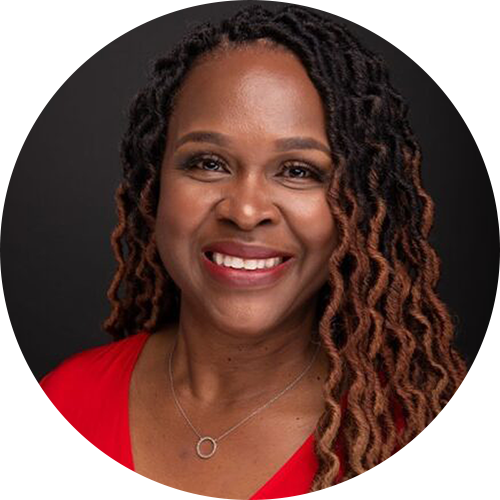
Jen Hamilton

Lemons to Lemonade: Transforming Leadership Challenges into Opportunities
2/1/2027 | 5:15 -6:30 pm

Effective nurse leadership is not about having all the answers, but about empowering teams to find solutions together. Drawing on her experiences leading a fast-paced emergency department, Jen Hamilton will share practical strategies for navigating leadership challenges with compassion, fostering a culture of positive intent, and preventing burnout through delegation and shared accountability. Participants will explore how innovative approaches, including a shared governance “problem board,” can empower nurses to think creatively, take ownership of challenges, and develop meaningful solutions to everyday unit issues. This engaging session will inspire nurse leaders to transform obstacles into opportunities while building resilient, collaborative, and empowered teams.


Dr. Shakira Henderson
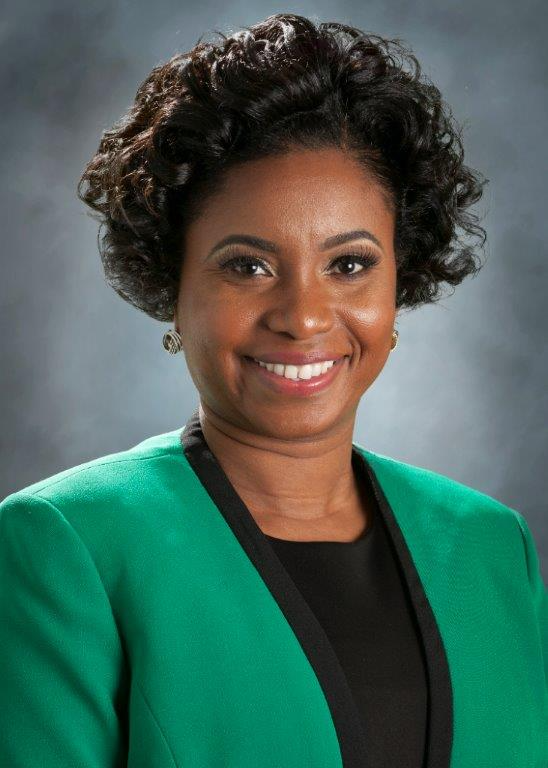
The Leadership Playground: How Experience, Connections, and Opportunity Shape Nurse Leaders
2/2/2027 | 8:10-9:10 am

Leadership is a journey shaped by experiences, relationships, and the willingness to embrace new opportunities. Dr. Shakira Henderson will share her leadership journey, from progressive nursing leadership roles and service on AWHONN’s Board of Directors to her current position as Dean of the University of Florida College of Nursing.

Drawing on her personal and professional experiences, Dr. Henderson will explore how AWHONN volunteer leadership served as a training ground for developing essential leadership skills and a bridge to advancing her career. Participants will gain insight into her guiding principles of nursing leadership, the power of mentorship and meaningful relationships, and practical strategies for leveraging professional involvement to accelerate their own leadership potential.


Rich Bluni

The 9 Principles ( The Heroes' Journey)
2/2/2027 | 11:00am-12:00pm

Join Rich Bluni, R.N., for an engaging keynote session based on his book Inspired Excellence. Designed around the Nine Principles® Framework, this session offers leaders at all levels the tools they need to drive organizational excellence. With his signature blend of humor and heartfelt stories, Rich will share actionable strategies to help you build a sustainable culture of excellence, adapt to industry changes, and inspire your teams to exceed expectations. Learning objectives: By the end of this session, participants will be able to:

  • Define a “radical ownership” mindset and describe how it differs from authority, blame, or perfectionism in everyday leadership.
  • Apply practical strategies to balance empowerment and accountability—including escalating early, focusing on solutions, and “picking the ball up and running with it” when issues arise.
  • Explain how presence vs. perfection are keys to more effective leadership.
  • An understanding of the connection to ‘Why” and how having compassion for our teams and ourselves is important.

Brandi Newman, MSN, RN, NEA-BC, FACHE
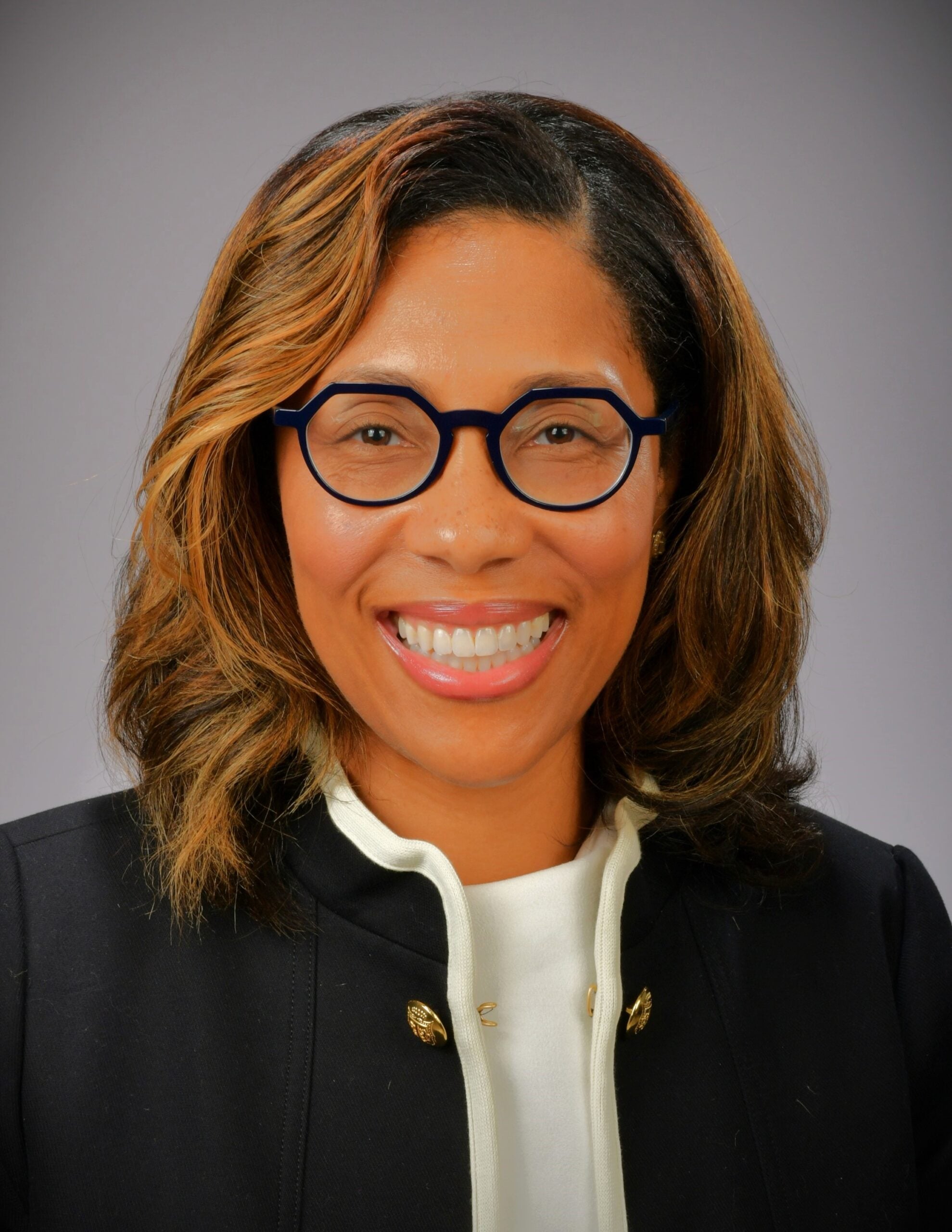
Leadership Beyond: Excellence, Growth, and Well-Being in Every Season of Leadership
2/3/2027 | 10:30-11:30 am

In this candid fireside chat, participants will explore how to excel in their current roles, embrace nontraditional career paths, and prepare for unexpected opportunities. The conversation will also offer practical strategies for sustaining personal well-being while expanding leadership impact amid the complexity and continuous change of healthcare leadership today.

  • Recognize the importance of excelling in their current role as a foundation for future leadership opportunities and career advancement.
  • Identify strategies for navigating non-traditional career paths, including embracing stretch assignments, lateral moves, and unexpected opportunities for growth.
  • Explore techniques for sustaining personal well-being while managing the demands of leadership in healthcare.

Breakout Sessions

Expert Nurse, Novice Leader: Navigating the Confidence Paradox
2/2/2027| 9:30-10:30

Speaker: Hollie Nagel DHA (c), MSN, RNC-OB, C-EFM, C-ONQS, CPPS, CENP

Moving from clinician to leader can trigger both self-doubt and overconfidence. Discover how emotional intelligence and authentic leadership enhance effectiveness and engagement.

  1. Differentiate how imposter syndrome and overconfidence influence leadership identity formation during the transition from expert clinician to novice leader.
  2. Apply emotional intelligence, self-awareness, and reflective practices to strengthen leadership confidence and resilience.
  3. Utilize coaching, feedback, and relationship-building strategies that enhance team engagement, communication, and retention.

Workforce Resilience: A Strategy to Improve Equity
2/2/2027 | 2:00-3:00

Speaker: Chevair Mustafa MHA, RN, RNC-OB, C-ONQS, C-OBE, CCE, CLSSWB

This session explores how nurse leaders can build workforce resilience to advance maternal equity through stronger teams, healthier work cultures, reduced burnout, and improved perinatal outcomes

  1. Analyze workforce and patient outcome data to identify connections among nurse burnout, psychological safety, team communication, and maternal health equity, and translate these insights into targeted unit-level improvement initiatives.
  2. Apply evidence-based leadership strategies including structured team debriefing, psychological safety practices, leadership rounding, and equity-focused education to strengthen team engagement, reduce burnout, improve retention, and enhance communication across diverse care teams.
  3. Develop a 90-Day Workforce Resilience Action Plan that incorporates measurable workforce well-being and maternal equity indicators, enabling participants to implement practical, sustainable changes that support both staff resilience and improved perinatal patient outcomes.
  4. Learner Takeaway: Participants will leave with a practical leadership framework, implementation toolkit, and actionable plan for leveraging workforce resilience as a strategic driver of maternal equity, staff retention, and care quality.
Beyond the Dashboard: Turning Maternal QAPI Data Into Meaningful Action
2/2/2027 | 4:30-5:30
Speaker: Vanessa Hale, MSN, RNC-OB, FNP-BC, C-EFM, C-ONQS
Learn to interpret maternal QAPI data, investigate practice gaps, and select evidence-based actions that help nurse leaders strengthen team performance and maternal safety.
  1. Interpret maternal QAPI measures by examining definitions, denominators, trends, and stratified findings to distinguish performance signals from unsupported causal conclusions.
  2. Analyze a maternal safety case to identify contributing factors and determine what additional evidence is needed before selecting an intervention.
  3. Develop an evidence-informed action plan that links an identified practice gap to a targeted intervention, assigned responsibility, implementation timeline, and measures for evaluating improvement.

The Courage to Care: Leading Nurses Without Losing Yourself
2/2/2027 | 3:20-4:20

Speaker: Nicki Gaskins M.Ed., LPC-MHSP, ACS, LCMHCQS, LPCS

Nurse leaders carry the needs of patients, teams, and organizations. Learn practical, trauma-informed strategies to build trust, navigate stress and conflict, and lead with care without burning out.

  1. Identify common behavioral indicators of chronic stress and burnout in themselves and their teams and describe how these responses may affect communication, engagement, and performance.
  2. Apply trauma-informed communication strategies including curiosity, validation, clear expectations, and boundaries—to difficult leadership interactions while maintaining accountability.
  3. Differentiate supportive leadership from rescuing and over-functioning and identify one leadership practice they can implement to strengthen psychological safety, team communication, and sustainable performance.

Perfection. Ownership. Why. (P.O.W!)
2/3/2027 | 07:30-09:30

Speaker: Rich Bluni

Leadership with Heart and Mind. In high-pressure care environments, leaders don’t need to be perfect; they need to be present. This session explores a “radical ownership” mindset that balances accountability with compassion, helping leaders move from blame and burnout to courage, clarity, and connection. Also discussed is the concept of ‘Perfection vs. Presence” and how we truly need to show up as leaders. Finally, a focus on our “Why”, which is the true north for all leaders, especially when the days are long and things feel difficult. Participants will leave with practical ways to show up and be present for their teams and be reminded of the deeper why that drives it all. By the end of this session, participants will be able to:

  1. Define a “radical ownership” mindset and describe how it differs from authority, blame, or perfectionism in everyday leadership.
  2. Apply practical strategies to balance empowerment and accountability—including escalating early, focusing on solutions, and “picking the ball up and running with it” when issues arise.
  3. Explain how presence vs. perfection are keys to more effective leadership.
  4. An understanding of the connection to ‘Why” and how having compassion for our teams and ourselves is important.

Beyond the Checklist: Nurses Who Think, Escalate, and Own the Outcome
2/3/2027 | 9:15-10:15

Speaker: Kelli Moore, MSN, RN
Equip nurse leaders to identify gaps in clinical reasoning, communication, escalation, and accountability and use practical strategies to move nurses from task completion to ownership.

  1. Differentiate between process or knowledge gaps and performance concerns related to clinical reasoning, communication, escalation, or accountability.
  2. Apply practical coaching strategies that strengthen nurses’ clinical reasoning, communication, appropriate escalation, and ownership of patient outcomes.
  3. Select leadership interventions that address the identified practice gap rather than relying on repetitive education or additional processes as the default response.